
Quality Management Strategies For Food And Beverage Production
In the fast-paced world of beverage manufacturing, implement the right quality management strategies is paramount. The high speeds, large volumes, and fragile materials such as aluminum, PET, and glass present unique challenges. SmartSkin’s innovative sensor technology offers comprehensive solutions to proactively manage quality, minimize rejects, and enhance efficiency.
Quality Management Strategies for Beverage Production and Packaging Excellence
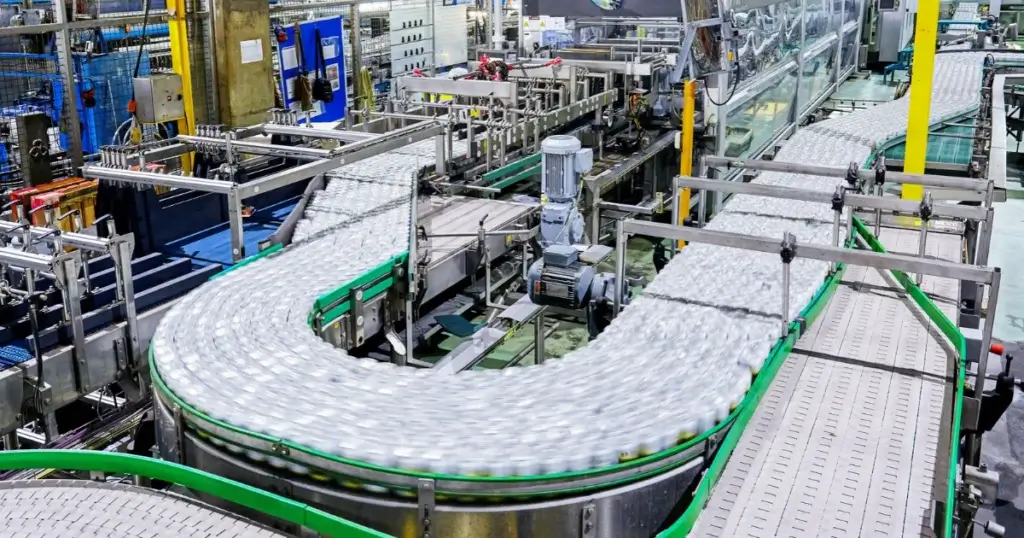
In the beverage production and packaging industry, implementing robust quality management strategies is essential to eliminate downtime, reduce waste, improve sustainability while maintaining product safety and optimizing processes. From raw ingredient sourcing to final packaging, every stage must follow standardized processes backed by real-time monitoring and data-driven decision-making. Leading manufacturers integrate Quality Management Systems (QMS) with standard procedures, ensuring precise control over parameters like temperature, filling accuracy, and seam integrity. This reduces product recalls, minimizes waste, and strengthens brand trust in a highly competitive market.
Advanced quality management strategies also emphasize continuous improvement. Beverage companies should be leveraging predictive analytics, digital container twins, and digital traceability to identify sources of defects before they turn into costly issues. In packaging, this translates into improved line optimization, contamination prevention and sustainability compliance. By aligning quality initiatives with operational efficiency, beverage producers can achieve higher output, reduce downtime, and deliver consistently superior products that meet both regulatory standards and stringent consumer demands.
Proactive Monitoring with SmartSkin
At the heart of SmartSkin’s approach is its ability to provide real-time container handling data throughout the filling and packaging process. The use of sensor-equipped digital container twins, designed to replicate the specifications of actual containers enables manufacturers to monitor the line’s performance while it operates. These sensors detect shock, pressure, tilt rotation and more to signify which areas in the line could be leading to defects such as wrinkles or leakers.
Proactive monitoring is not limited to reactive troubleshooting. By implementing routine checks with digital container twins before changeovers, each morning, and after adjustments, manufacturers can prevent quality issues from arising. This ensures smoother operations and minimizes the risk of costly defects.

Quality Management Strategies and Data-Driven Insights
SmartSkin pairs its sensor hardware with powerful software solutions. This combination allows manufacturers to:
- Capture and store historical data.
- Identify trends over time.
- Analyze in-depth insights into line performance.
By utilizing historical and real-time data, manufacturers can focus on long-term efficiency. This data-driven approach supports preventative maintenance and provides a clear picture of return on investment (ROI) through sustained quality improvements.


Addressing the Cumulative Costs of Quality Issues
The cost of defects extends beyond immediate product waste or downtime. Hidden costs include:
- Brand integrity damage.
- Increased part replacements.
- Consumer safety risks.
- Long-term operational inefficiencies.
SmartSkin’s solutions address these challenges by enabling manufacturers to identify and resolve issues early. For example, repeated use of container twins highlights areas of concern, such as improper rail clearances, conveyor speeds, and worn conveyor parts. After adjustments, manufacturers can run the container twin again to validate that the fixes have been successful.

Unlocking operational excellence in food and beverage production.
Explore the numerous benefits of deploying SmartSkin in the food and beverage production industry.
Common Causes of Can Damage
SmartSkin’s technology helps pinpoint root causes of common damage types, such as:
- Worm, starwheel, and infeed timings (especially for empty cans entering the filler)
- Machine setup clearances and rail clearances (especially in the seamer
- Conveyor speeds and improper lubrication
- Pressure and shock during filling and conveyance
- Post-filling twists
- Worn or damaged conveyor rails
- Palletizer layer clamping forces
- Pallet quality
By identifying these issues early, teams can target and resolve them efficiently, reducing the likelihood of recurring defects.


Quality Management Strategies for Enhancing Communication and Collaboration
SmartSkin’s solutions also facilitate better communication across teams. Routine monitoring generates reports and records enabling everyone to stay informed about line performance and quality trends. This fosters a culture of continuous improvement and collaboration.
Additionally, the SmartSkin Cloud enhances communication and collaboration by centralizing real-time production data into an easily accessible platform. By leveraging the cloud repository, team members can view, share, and analyze production line data remotely from any device. This capability ensures seamless collaboration across teams, lines, and sites, whether diagnosing root causes of damage, benchmarking performance, or implementing corrective measures.
Maximizing ROI with SmartSkin
Investing in SmartSkin’s sensor technology and software is more than a cost—it’s an investment in the future of manufacturing efficiency. By addressing potential issues early, manufacturers can optimize line performance throughout the equipment lifecycle, ensuring consistent quality and customer satisfaction.
Learn More
To see how SmartSkin can transform your quality management processes, schedule a demo with our team today. Experience firsthand how proactive monitoring, data-driven insights, and effective communication can elevate your operations to new heights.

Elimination of severe can damage and post seamer rejection rates.
Learn how a plant identified the root cause and eliminated major can damage after filling.