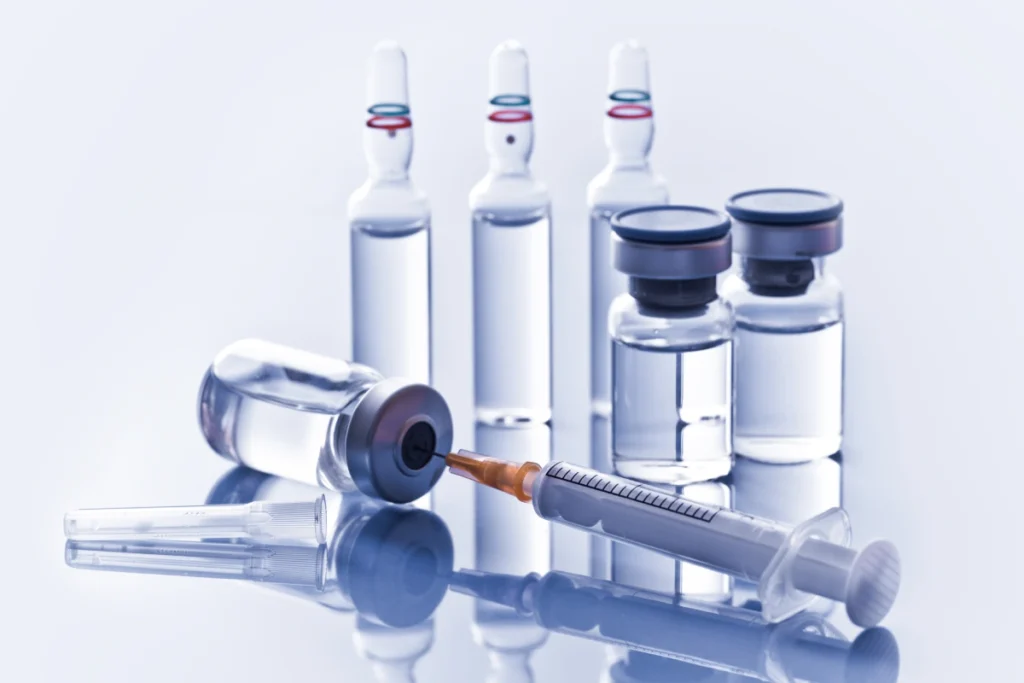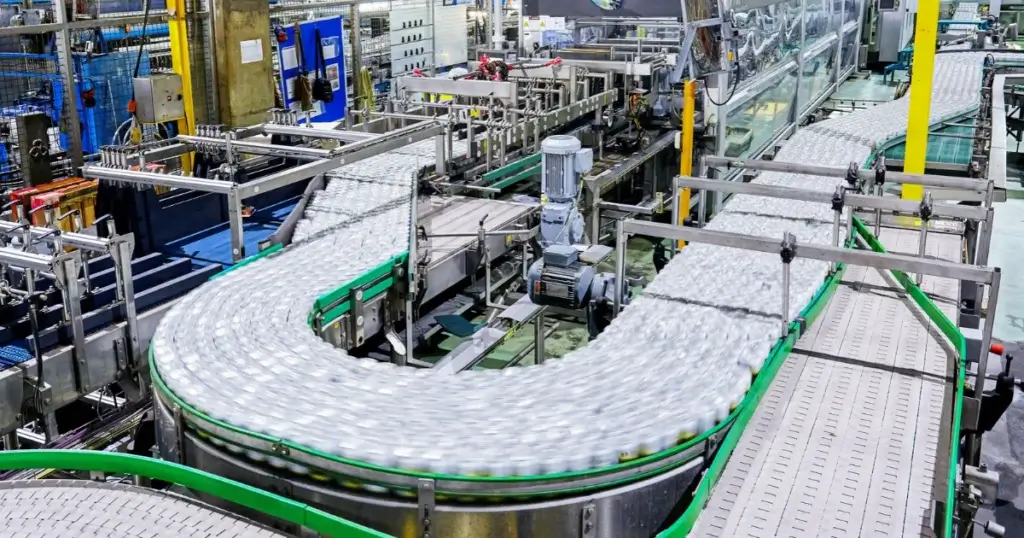
Why We Can’t Rely on the Calendar for Seamer Overhauls
In beverage canning, most of the attention goes to the seam. Far less goes to the downforce on the can inside the seamer, even though that force decides whether the seam holds. Our Top Load Digital Container Twin measures that vertical load as the can moves through the seamer. It shows what the machine is […]

Factory Acceptance Testing for Pharma Fill-Finish
When new fill-finish equipment arrives at your facility, the pressure to get it qualified and into production is real. Timelines are tight, budgets are fixed, and every delay has a cost. Factory acceptance testing is the stage where that pressure meets its first real test, and where the decisions you make have consequences that follow […]

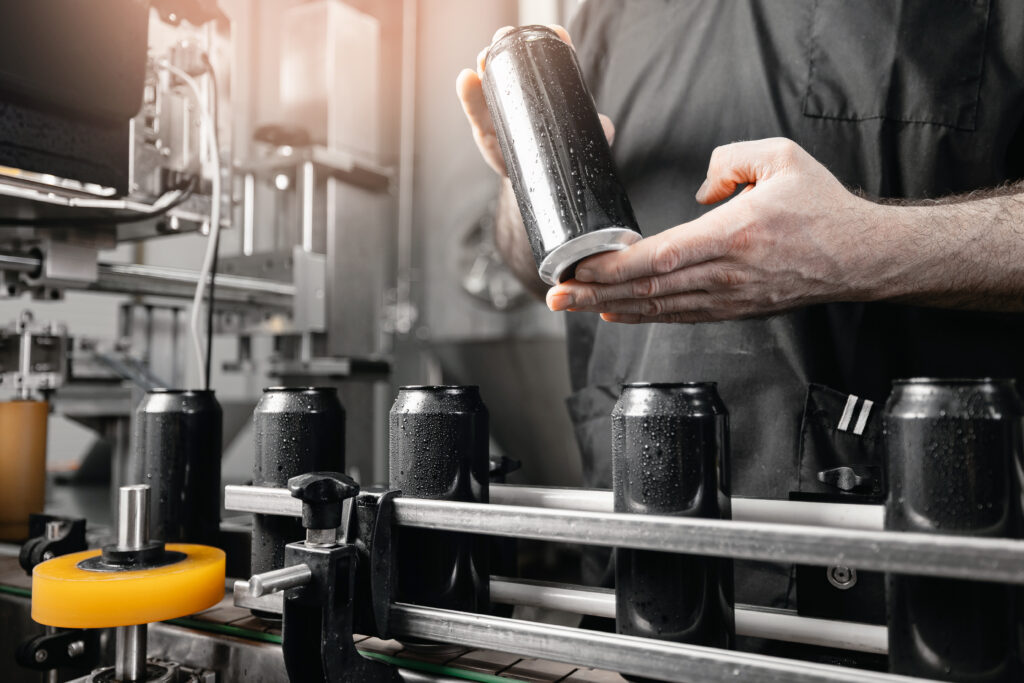

Understanding Syringe Defects in Fill-Finish: Causes and Prevention Using a Mechanical Baseline
How mechanical shock, pressure, and transport instability create intermittent syringe defects in fill-finish lines Syringe defects in pharmaceutical fill-finish lines rarely occur in a predictable way. A line can operate at nominal speed for hours before a syringe suddenly cracks, breaks, or becomes damaged during transport. When this happens, teams investigate machine settings, glass quality, […]
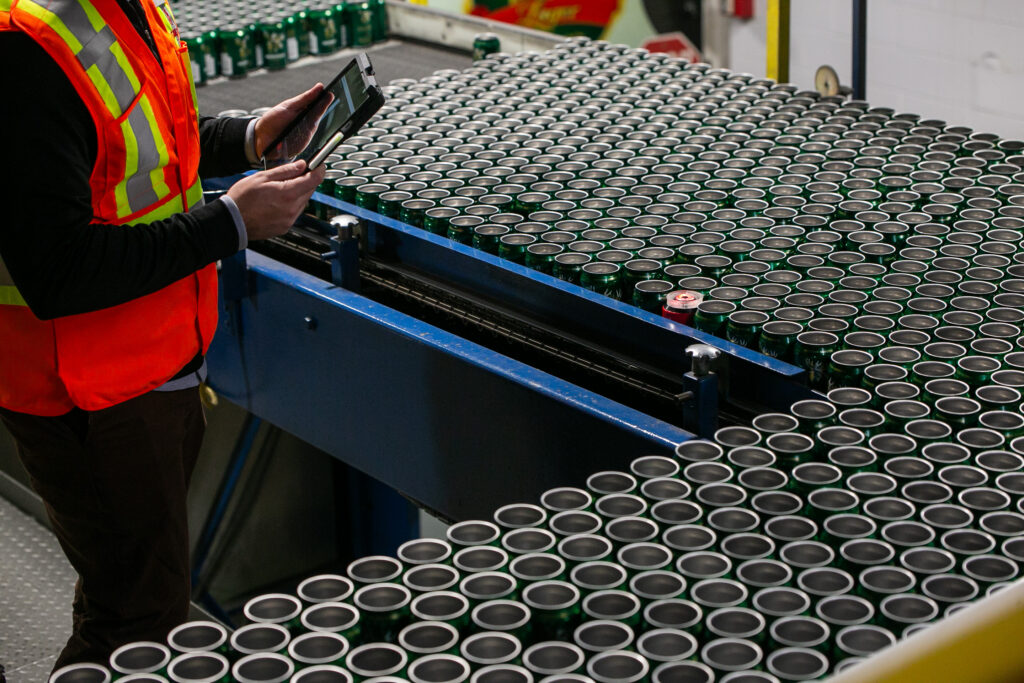
Lightweight Cans Are Reducing Your Margin for Error
As lightweighting reduces material thickness, cans become more sensitive to variation during seaming and handling. Small deviations that once had little impact can now increase the risk of deformation, defects, and hidden damage across production lines.
If you want a shorter version for stricter CMS limits, use this:
Lightweighting makes cans more sensitive to variation during seaming and handling, increasing the risk of defects, deformation, and hidden damage.
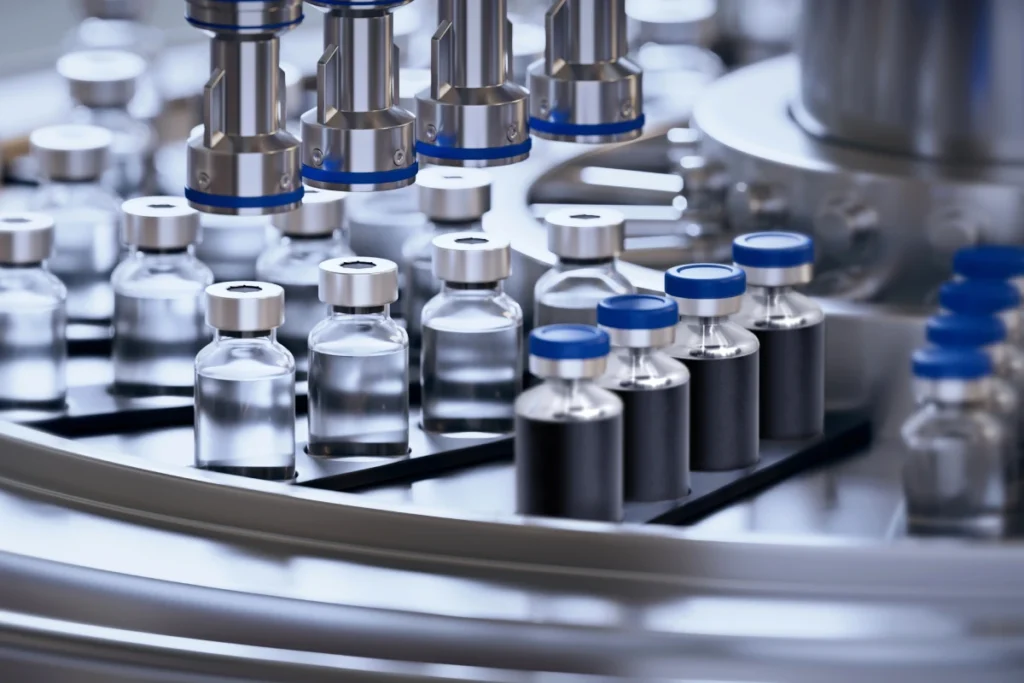
Container Closure Integrity Assurance: Building Reliable Product Protection for Sterile Products
Assuring container closure integrity (CCI) for an injectable product presentation is a governing principle that must be systemically applied during design, development , manufacturing, distribution and use of a sterile product in order to secure product’s SISPQ (Safety, Identity, Strength, Potency, and Quality) at all times. Injectable drugs must be manufactured to be sterile, and […]