
Preventing Sterile Vial Glass Breakage: From Cause to Solution
Sterile glass vial breakage remains one of the most persistent challenges in pharmaceutical manufacturing. Every broken vial means wasted product, downtime, and higher costs, while also raising patient safety concerns. Breakage can stem from mechanical impact, thermal stress, or inherent material defects. The good news: with the right combination of equipment upgrades, material selection, handling practices, and smart technologies, it is preventable.
Causes of Glass Vial Breakage
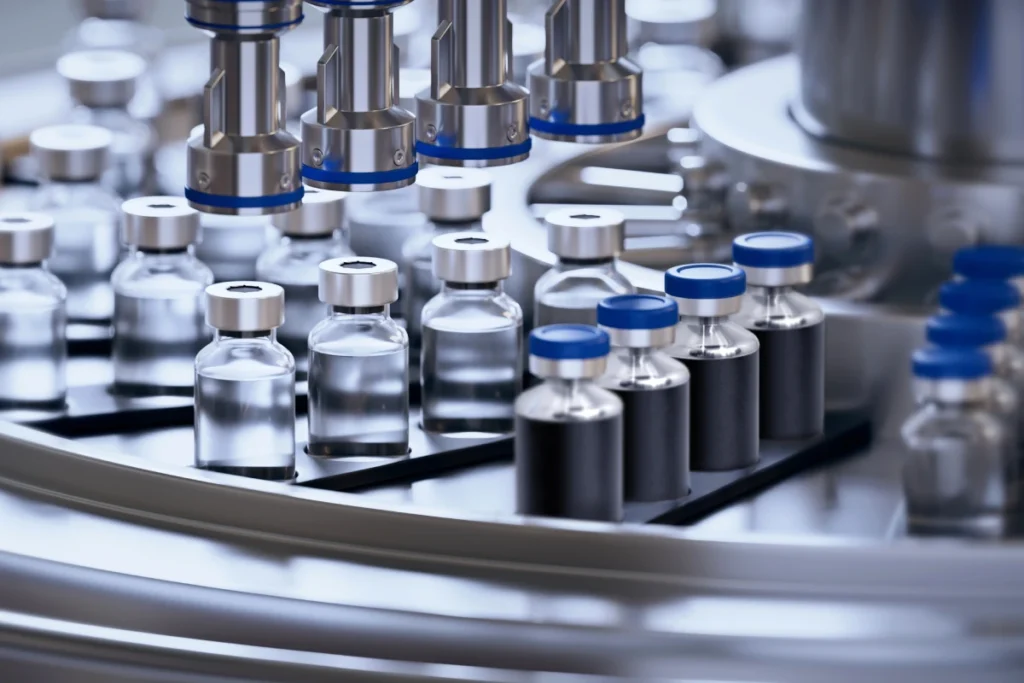
Mechanical Stress: The most common culprit is vial-to-vial contact on production lines. Outdated or poorly maintained equipment can increase friction and collisions. Mishandling during transport also adds risk.
Thermal Stress: Rapid or uneven temperature changes during depyrogenation, sterilization, or lyophilization weaken glass integrity, leading to cracks or fractures.
Material Defects: Variability in raw materials or flaws introduced during forming compromise vial strength. Even micro-scratches invisible to the eye can become weak points under stress that lead to glass vial breakage.
Glass vial breakage primarily results from mechanical stress, thermal stress, and material defects. Mechanical issues arise from vial collisions on production lines or mishandling during transport. Thermal stress occurs when vials face rapid or uneven temperature shifts during processing steps like sterilization. Material-related failures stem from defects or micro-scratches introduced during manufacturing, which weaken the glass and make it prone to cracking.

How SmartSkin helped eliminate quality investigations and cut vial defects by 70%.
Download this free case study to learn how a leading manufacturer reduced vial defects by 70% using SmartSkin Technologies Digital Container Twins solutions.
Solutions for Prevention of Glass Vial Breakage
1. Process and Equipment Optimization
One of the aspects that pharmaceutical manufacturers can focus on is optimizing their fill-finish line equipment and streamlining the processes.
Upgrade lines: Use modern equipment such as pressureless accumulation tables that minimize vial-to-vial contact.
Adaptive controls: Equip machines with sensors that automatically adjust torque, force, or alignment when abnormal stress is detected.
Predictive analytics: Combine machine vision data with glass vial breakage trends to forecast failure points and schedule preventative maintenance.
2. Material and Vial Selection
Selecting the right vial materials is key to ensuring product integrity and reducing breakage. By sourcing premium glass, manufacturers can enhance durability and reliability throughout production.
Source high-quality glass: Work with reputable manufacturers who tightly control raw materials and forming processes.
Apply protective coatings: Exterior coatings reduce scratches and can significantly lower the risk of shattering during handling.
Evaluate alternatives: In high-risk environments, consider vials with reinforced or innovative designs engineered to resist stress.
3. Handling and Training
Consistent handling and comprehensive training are some of the other areas that can help minimize vial damage and ensuring quality control. Standardized procedures, skilled personnel, and cross-functional collaboration create a safer and efficient production environment.
Refine procedures: Standardize packaging, loading, and transport methods to reduce shock and vibration.
Educate personnel: Train staff to inspect vials for defects and to handle containers with care at every stage.
Collaborate cross-functionally: Quality, engineering, and operations teams should jointly review processes to identify and mitigate risks.
4. Smart Monitoring and Real-Time Feedback
Digital Container Twins: Virtual models of containers track stress forces in real time on production lines, detecting early warning signs before breakage occurs.
Wireless sensors: Measure shock, force, pressure, and spin to uncover hidden stressors and optimize line performance.
AI-driven insights: Algorithms analyze data to recommend equipment adjustments or maintenance, turning vial breakage prevention into a predictive science rather than reactive repair.

The Case for Prevention
Traditional quality control has relied heavily on inspection and testing, catching defects after they occur. But inspection alone cannot recover wasted doses or lost production time. Prevention strategies are more powerful: they protect yield, control costs, and most importantly, safeguard patients who rely on life-saving therapies. By combining robust materials, optimized processes, cutting-edge technology, and well-trained personnel, manufacturers can build resilience into every stage of vial production.
Conclusion
Glass breakage is not an unavoidable cost of doing business. It is a preventable problem that can be systematically addressed. Pharmaceutical companies that invest in prevention, not inspection, set themselves apart with higher efficiency, stronger compliance, and safer medicines for patients worldwide.


Martin Van Trieste is an accomplished entrepreneur, board governance expert, executive coach and biopharmaceutical executive. Martin is the President Emeritus. He was the founder and CEO of Civic Rx, and was previously Amgen’s Chief Quality Officer. He also serves on the boards for Redica Systems. In 2023, SmartSkin was honoured to welcome Martin Van Trieste as Chair of its Board of Directors. Throughout his career, Martin has been passionate about serving patients, changing quality cultures, quality improvement and compliance initiatives in complex biotechnology, pharmaceutical and medical device manufacturing environments.

How SmartSkin helped eliminate quality investigations and cut vial defects by 70%.
Download this free case study to learn how a leading manufacturer reduced vial defects by 70% using SmartSkin Technologies Digital Container Twins solutions.