SmartSkin, an investment that pays for itself
In high-speed manufacturing, efficiency is paramount. Whether you're producing beverages in aluminum, glass, or PET, or aseptic pharmaceutical products, every second of downtime and every defective container translates directly into wasted product, lost revenue, and rising costs. SmartSkin is more than just a quality control tool—it’s a strategic investment in efficiency, waste reduction, and profitability. […]
Improving Pharmaceutical Quality, Patient Safety, and Operational Efficiency by Leveraging New Technologies
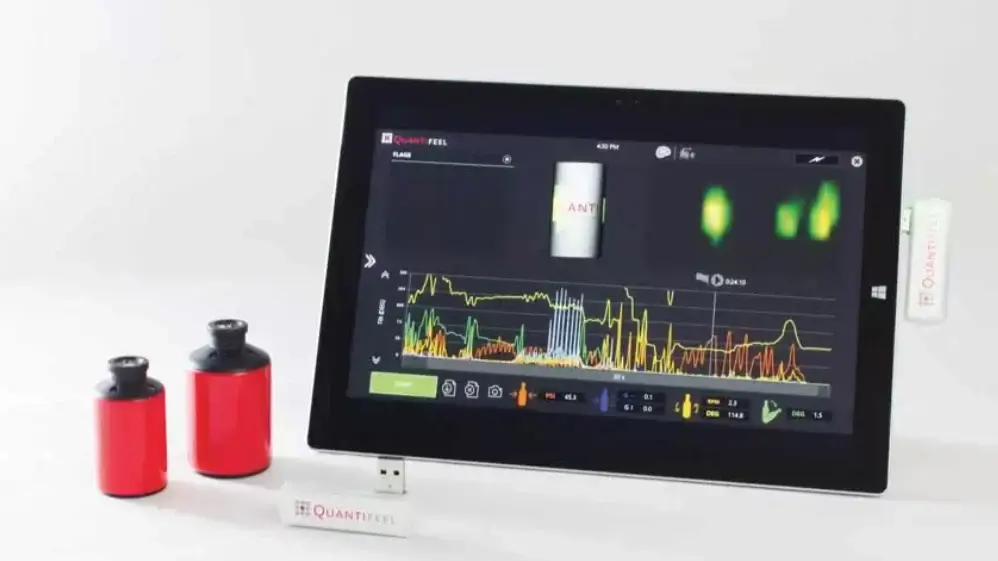
Imagine a world where every vial, syringe, cartridge and every drug is handled perfectly—without defects, recalls, or safety risks. That world is possible today using digital twins.
A Head of Quality in a biopharmaceutical company is responsible for ensuring the highest standards for product integrity and patient safety are maintained. On a daily basis, our work engages this difficult balance: quality, efficiency, and cost-effectiveness. However, frequent line rejects and recalls-many related to glass defects-have come through loud and clear that some form of innovation is urgently called for to enhance the traditional processes and equipment. Having researched and piloted the new technologies, I strongly feel that SmartSkin Technologies offers a transformative solution to product quality, patient safety, and large production cost-cutting. The Following reasons make me believe that SmartSkin Technologies stands out as one of the most valuable additions to the pharmaceutical industry today. For these facts, I joined the Board of Directors with SmartSkin.
The Impact of Line Rejects and Recalls
In recent years, our industry has grappled with the rising number of product recalls stemming from defects in glass containers. These recalls, frequently due to cracks, chips, or other imperfections, are financially burdensome and, more importantly, risk patient safety. Even when these products don't make it to market, the sheer volume of rejects within our filling lines significantly negatively impacts operational efficiency and yield.

Using SmartSkin in cleanroom environments for pharmaceutical manufacturing
Cleanroom Classifications Manufacturing of sterile products takes place under highly controlled conditions to ensure absence of contamination. Introducing any material into a sterile manufacturing environment poses risks for microbial contamination, therefore critical control measures are taken into consideration to maintain sterility and prevent contamination. To mitigate contamination risks Environmental, Personnel, Materials and Equipment control measures […]

Establishing a culture of quality in pharmaceutical manufacturing
With drug product development and patient needs evolving faster than ever, maintaining quality and regulatory compliance while meeting supply demand in clinical and commercial manufacturing can be challenging. In this industry, quality isn’t just a goal - it’s a mandate. Aligning teams across global sites and departments can be a complex process, but building a […]

AI Applications in Pharmaceutical Manufacturing
This AI generated and unedited podcast discussing SmartSkin's solutions for pharmaceutical manufacturers is an example of how far AI has advanced in recent years. With only access to the website and a brochure, this 10-minute podcast was generated in just minutes. While the content and speed at which it was developed are impressive, AI tools […]

Leveraging container twin technology in pharmaceutical manufacturing
In the quality and regulation-driven world of pharmaceutical manufacturing, maintaining optimal process control is crucial. SmartSkin's container twin technology is being leveraged to quickly and easily obtain real-time container handling data across filling and packaging processes - directly from the container’s perspective. With instant, actionable insights into line performance, manufacturing teams can: identify high-risk areas […]
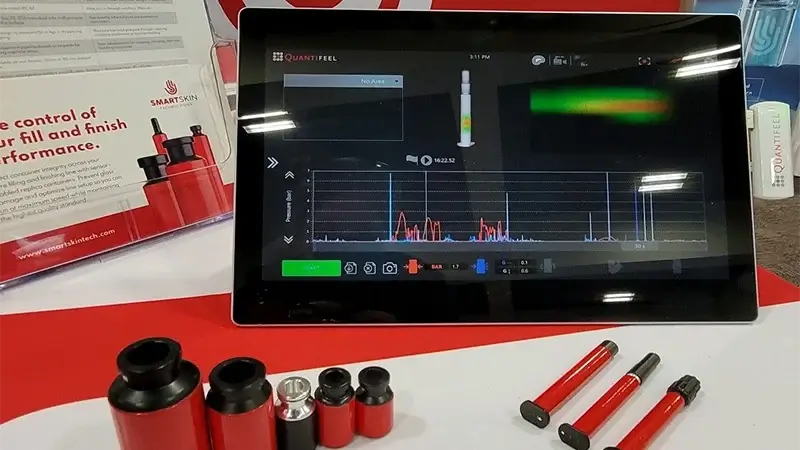
Pharmaceutical Container Twins Prevent Defects in Filling/Assembly
SmartSkin sensor drones return information in real-time to show where defects might be occurring during the filling process due to high pressure and shock, allowing operators to proactively repair their machines before batches of defects make it to the end of the line.