Pharma Production Line Optimization Reduces Downtime By 49% For Sanofi
It’s usually the small changes that lead to big results and pharma giant Sanofi proved this with its pharma production line optimization project. The company’s use of SmartSkin technology for this project at their Waterford plant in Ireland resulted in a massive reduction in downtime and an improvement in yield. Here’s what Sanofi did.
Production Line Setup Optimization Project
In the recently conducted Insights Forum 6.0 webinar, Eoin Roche, Reliability Engineer at Sanofi, Waterford explained the company’s approach to proactive maintenance to weed out high pressure points on the line before they damage the product.
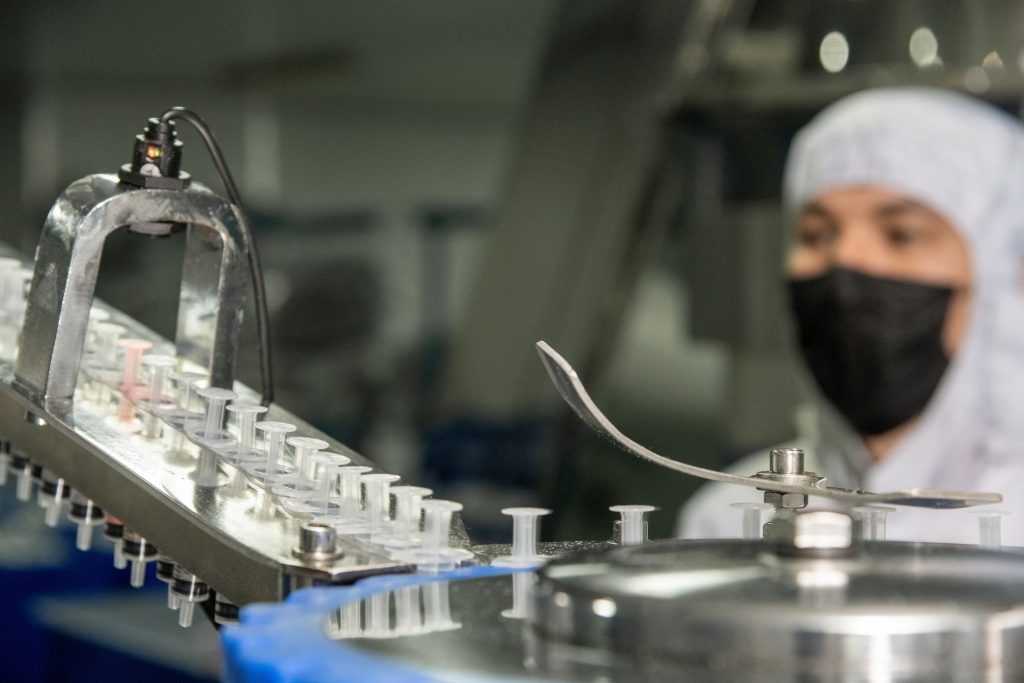
The strategic implementation of SmartSkin container twins revealed critical points with extreme pressure spikes that significantly exceeded safe operating levels (40.7 PSI vs. an acceptable 10-15 PSI). Leveraging the live data relayed by the SmartSkin system, Sanofi engineers targeted the issue, quickly restoring optimal operating conditions.

Moreover, recurring pressure challenges previously masked by complex equipment layouts were identified and strategically resolved. The technology allowed the precise localization and immediate rectification of inefficiencies within the vial capping station, significantly improving overall equipment effectiveness (OEE).

How SmartSkin helped eliminate quality investigations and cut vial defects by 70%.
Download this free case study to learn how a leading manufacturer reduced vial defects by 70% using SmartSkin Technologies Digital Container Twins solutions.
Position Your Production Line for Long-Term Success
Eoin shared extensive data points, including a 49% reduction in downtime for the plant thanks to the strategic adoption of SmartSkin technology. The solution package, as you can imagine, allows pharmaceutical companies to focus resources on higher-value activities, optimize production quality, and reduce costs.
To learn more details about Sanofi’s production line optimization project, join our comprehensive webinar featuring real-world examples, strategic insights, and practical advice on implementing SmartSkin technology to upgrade your pharmaceutical production.